With the development of LED technology, 3D hologram technology has gradually begun to be applied in various industries, especially in event exhibitions and the retail industry. 3D hologram technology is creating a new type of LED display solution. To help everyone better understand what 3D hologram fan is, I will delve into the imaging technology of 3D hologram, as well as its applications and advantages in this article, to assist you in making better purchasing decisions.
What Is a 3D Hologram Fan?
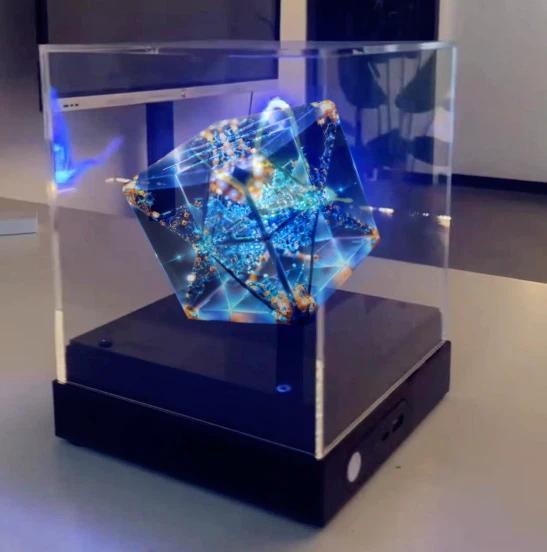
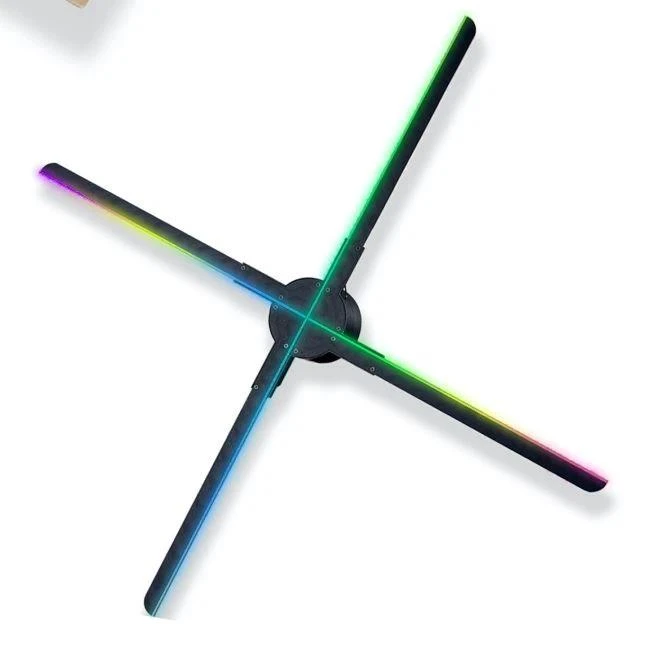
A 3D hologram fan, also known as a holographic display or 3D multimedia interactive advertising machine, is a device that creates stunning, seemingly floating 3D images in the air. Unlike traditional screens, it uses LED technology and high-speed rotation to produce a naked-eye 3D effect, requiring no glasses or external equipment. By leveraging the principle of persistence of vision (POV), the fan generates dynamic visuals that appear to hover, making it ideal for commercial advertising, exhibitions, and creative showcases.
The Core Principle: Persistence of Vision
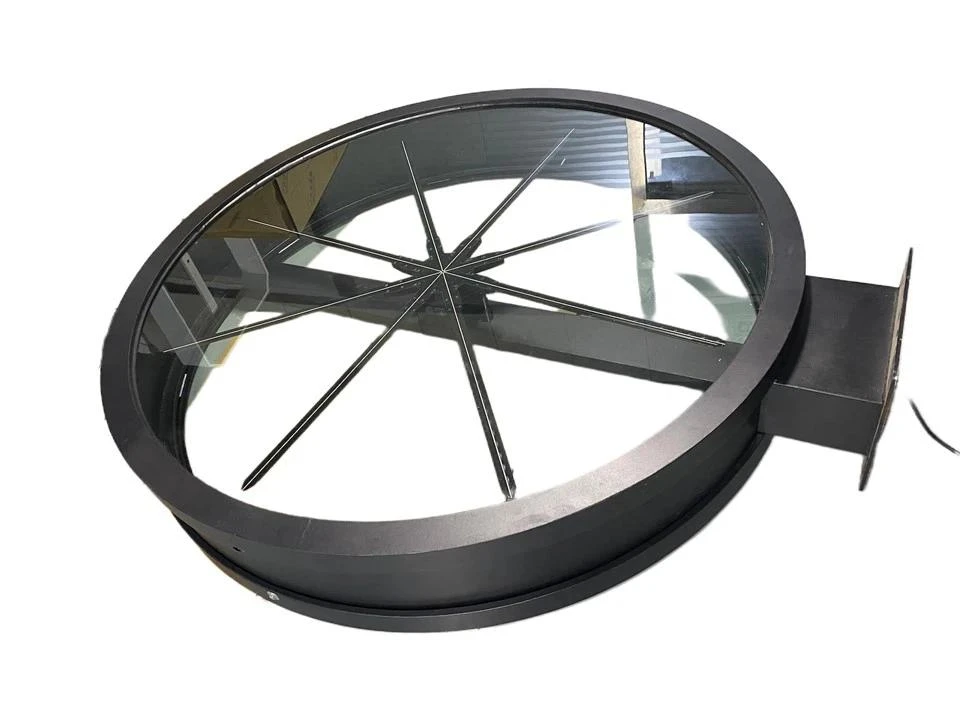
At the heart of a 3D hologram fan lies the scientific phenomenon of persistence of vision. This is the human eye's ability to retain an image for a fraction of a second after it disappears. When the fan's blades, embedded with LED lights, spin at high speeds (typically 400 RPM or more), the LEDs flash in precise patterns. The rapid motion blurs the individual flashes into a continuous image, creating the illusion of a stable, floating 3D picture.
Think of it like a spinning bicycle wheel: at high speeds, you no longer see individual spokes but a blurred, solid disk. Similarly, the holographic fan uses this effect to render vibrant 3D images that seem to defy physical boundaries.

Key Components of a 3D Hologram Fan
A 3D hologram fan is a sophisticated blend of hardware and software, with each component playing a critical role in delivering its stunning visuals. Let's break down the essentials:
1. High-Speed Fan Blades
The fan blades, typically made of lightweight yet durable polycarbonate, are designed to withstand rapid rotation. The faster the blades spin, the smoother and more stable the displayed image appears. This high-speed motion is crucial for creating a seamless visual experience.
2. Programmable LED Lights
Embedded in the blades are hundreds of high-density LED lights (often 256 or more per blade). Each LED is individually programmable, allowing precise control over color, brightness, and timing. These LEDs support full RGB color, delivering vivid and eye-catching visuals. The number of LEDs directly impacts the resolution and clarity of the holographic display-more LEDs mean sharper images and finer details, such as text or logos.
3. Control Chip and Synchronization
A powerful microcontroller unit (MCU) or digital signal processor (DSP) acts as the brain of the device. This chip synchronizes the LED flashes with the fan's rotation speed, ensuring the image remains clear and free from tearing or flickering. The chip also processes uploaded content, rendering it in real-time for flawless playback.
4. Content Management System
Most 3D hologram fans come with a control system, often accessible via a dedicated app, Wi-Fi, Bluetooth, or USB. This allows users to upload, adjust, and manage display content effortlessly, making the device highly versatile for various applications.
How Are 3D Images Created and Displayed?
Creating content for a holographic fan requires specific formatting to maximize its 3D effect. Videos or animations are typically designed with a transparent background and XYZ spatial effects (e.g., rotating or floating elements) to enhance the three-dimensional illusion. Common formats like MP4, GIF, or PNG are supported, though some devices require proprietary software to convert files into a compatible format.
Once prepared, content is uploaded to the fan's internal storage via a mobile app, computer, or USB drive. During playback, the control chip processes the file, directing each LED to flash at the exact moment needed to form the image as the blades rotate. The result is a looping, dynamic 3D image that appears to float in mid-air, perfect for showcasing a logo, product, or promotional animation.
Is It True Holographic Technology?
The 3D holographic fan does not truly adopt real holographic technology, just like the laser holograms that appear in science fiction movies. Although it is often referred to as a "hologram", a more accurate description should be a pseudo-holographic display. True holographic technology relies on laser interference and optical media to record and project the light field, thereby creating a fully three-dimensional image that can be viewed from all angles.
In contrast, a holographic fan uses LED technology and persistence of vision to simulate a 3D effect. The image is essentially a two-dimensional plane that appears three-dimensional due to its motion and spatial design. This makes it a type of POV (persistence of vision) display, offering a cost-effective, easy-to-deploy alternative to traditional holography for commercial and creative purposes.
Advantages and Applications of 3D Hologram Fans
The 3D hologram fan stands out for its unique blend of affordability, portability, and visual impact. Here's why it's a game-changer:
- Immersive Experiences: The naked-eye 3D effect creates a futuristic, attention-grabbing display that feels like it's floating in mid-air.
- Versatility: It supports a wide range of content, from promotional videos to animated logos, and can be customized for specific campaigns.
- Cost-Effective: Compared to traditional LCD/LED screens or laser-based holography, hologram fans are more affordable and easier to maintain.
- Flexible Installation: Options include wall-mounting, ceiling suspension, or standalone setups, making them adaptable to various spaces.
- Energy Efficiency: With power consumption typically between 100–300W and LED lifespans up to 50,000 hours, they're both eco-friendly and durable.
Applications
- Commercial Advertising: Capture attention in malls, trade shows, or retail stores with dynamic product displays.
- Retail and Window Displays: Showcase promotions or products to boost foot traffic and conversions.
- Exhibitions: Present 3D models, scientific visualizations, or interactive demos for educational or industrial purposes.
- Entertainment and Events: Enhance concerts, product launches, or stage performances with striking visual effects.
- Public Signage: Use in airports or stations for eye-catching directional or informational displays.
Choosing the Right 3D Hologram Fan
When selecting a holographic fan, consider:
- Resolution: More LEDs (e.g., 512 or higher) deliver sharper images.
- Size: Larger fans create bigger displays but may require more space.
- Content Compatibility: Ensure support for your preferred file formats and easy upload options.
- Installation Needs: Check for mounting options that suit your venue.
- Durability: Look for robust materials and safety features for long-term use.
The Future of Holographic Displays
The 3D hologram fan represents a leap forward in display technology, blending affordability with cutting-edge visual appeal. As technology evolves, we can expect smarter, more interactive, and energy-efficient models, potentially integrating AI for real-time content customization. From retail to education, these devices are poised to transform how we engage with visual media.
Ready to elevate your brand with a 3D hologram fan?
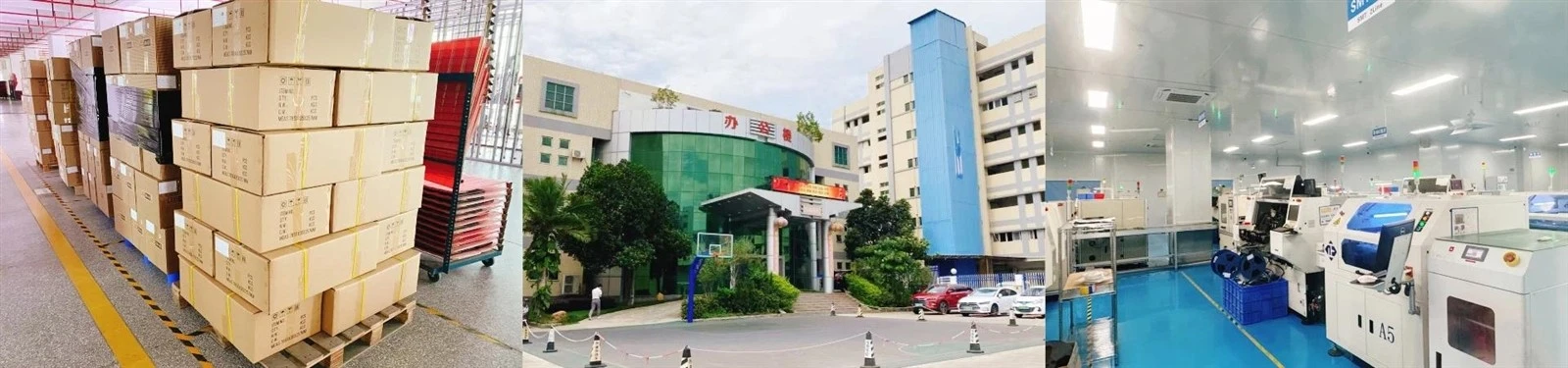
Yestec Technology Limited was established in 2009 and is a professional manufacturer of 3D Hologram Fan in China. We offer the highest quality and most outstanding LED displays, LED flexible screens and 3D holographic fans. We have a highly skilled and knowledgeable team that is always ready to meet your needs and requirements. Contact us now to learn more about 3D Hologram Fan.
FAQ
1. Can I Upload Content Using My Phone?
Yes! Most models support content uploads via a mobile app or Wi-Fi, allowing seamless control and updates from your smartphone or computer.
2. Do They Work Well in Bright Daylight?
Hologram fans perform best in controlled lighting environments, such as indoors or shaded areas. Strong sunlight may reduce image clarity, so placement is key.
3. Can They Display Text or Logos Clearly?
Absolutely, especially with higher-resolution models featuring more LEDs. Well-designed content ensures crisp text and detailed logos.
4. Are They Safe to Use Near Customers?
Safety is a priority. Most fans include protective covers or metal guards to prevent contact with spinning blades, making them safe for public spaces when installed correctly.
5. How Long Can They Run Continuously?
Designed for durability, 3D hologram fans can operate for hours on end, with LED lifespans reaching up to 50,000 hours, ensuring reliable performance.