When most people think of LED displays, the image that comes to mind is often a standard rectangular screen mounted on a wall - practical, bright and flat. This is the traditional LED. It works well in simple applications like meeting rooms or digital signage. But in today's fast-paced, visually driven world, that's no longer enough. We no longer just want to show the content, but to show our artistic creativity in a more intuitive form, so that the audience can intuitively feel our creativity. This is where creative LED displays come into play.
So, what's the difference between creative LED displays? It's not just about choosing an odd shape or adding some glitzy effects. Creativity in LED display design is a holistic approach. It is a clever fusion of form, function, technology and environment. It transcends the limitations of a traditional screen, as well as the space it occupies, the people it interacts with, and the message it conveys. So, let's get right to the point: What really makes LED displays creative?

Breaking the Box: Shape & Structural Creativity
What's the most obvious way to tell if a display is creative? Look at its shape. Traditional LED displays are rigid rectangles. Creative displays are completely different.
We now have irregular shapes - spherical, curved, wavy, triangular - and can even be customized to look like a brand Logo. They're not just screens, they can be part of buildings, artwork, even road signs.

Another special property is multidimensional structure. Some creative displays are designed in three-dimensional or layered configurations, adding depth and volume to creative content. They don't just show the video - they make it feel like it really exists. For example, floating 3D models in museums or three-dimensional product displays in exhibition halls. Not only do they greatly attract the attention of the audience, they are also an important form of enhancing engagement and memory.

Another worthy of attention is a flexible LED display with a special material. For example, we are now selling ultra-thin LED flexible panels, which can be bent, folded, and even rolled up, and can be applied to most complex installation environments. This is especially useful for trade shows or retail stores. This type of screen not only creates unique visual effects, but also ADAPTS to the moment, which is a form of creativity in itself.
In short, the more a screen can break away from its traditional form, the more likely it is to deliver a compelling and meaningful experience.
Visual Impact That Sticks: Display Effects that Do More
The changeable shape is only the most basic feature of the creative LED display screen. What really makes it break the traditional display screen is the more powerful picture quality.
First of all, having a high resolution is almost the basic selling point of most creative LED display screens at present. Whether it is 4K, 8K or MicroLED level density, the clarity of the image is fundamental. But it's not just about the number of pixels, it's also about the performance of those pixels. Strong contrast, vibrant color reproduction and smooth refresh rates all contribute to a lifelike display. At Yestec, for example, our creative LED displays support up to 4K resolution (3840x2160) with a minimum pixel pitch of 0.9mm. Refresh rate: 3840Hz, no shadow, suitable for high-speed dynamic screen.

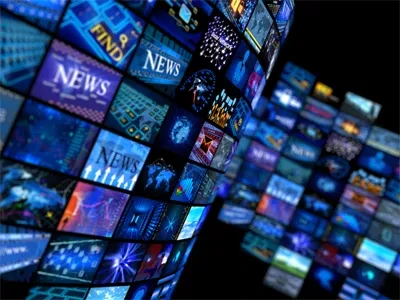
The next feature to be introduced is dynamic content. Most creative LED displays support not only static display but also dynamic content display. It moves, reacts and evolves. By combining video motion with lighting effects, we can orchestrate vivid display effects. This is especially effective in environments where movement and rhythm play a huge role, such as concerts, exhibitions and branded installations.
Beyond catching the eye, the real goal is to create an immersive visual experience. This could mean syncing the screen with ambient light in the room, designing content that changes over time, or layering visual elements to create unique visuals. Whether you're walking across a building facade that responds to your presence or standing on an LED floor that responds to your footsteps, the focus is on engaging people, not just making them look.

Interactivity & Smart Features: When Screens Don't Just Show-They Sense
A creative LED display isn't just about what it shows. It's about how it responds. In today's digital environments, the screen is no longer a passive surface-it's a smart interface that interacts with its surroundings and the people nearby.
Let's start with interactive features. Modern LED technology has brought in gesture tracking, touch input, and even voice commands. Imagine walking past a screen in a retail store and seeing the content shift as you move, or tapping on a digital catalog that updates in real time. This kind of interaction doesn't just entertain-it immerses users into the message. It keeps them engaged longer, and that's a powerful value for any brand or event.
But smart displays go beyond just touch. They also adapt to the environment. Through sensors, a screen can detect ambient light and adjust brightness for better clarity without blinding viewers. It can respond to temperature, avoiding overheating while maintaining optimal performance. Some even adjust based on sound levels-turning up volume in noisy public spaces or lowering it in quiet museums. This adaptability makes them far more comfortable, efficient, and effective in delivering content.
And then comes multi-function integration. Creative LED screens today often come bundled with built-in audio systems, layered lighting effects, or projection features. That means one display can do the job of several devices-saving space, simplifying logistics, and enhancing storytelling through synchronized visuals and sound.
This is where display technology really shows its edge. It's no longer just about resolution or brightness-it's about intelligent behavior. And as the advancement of technology continues, expect to see LED screens behaving less like machines and more like collaborators in the space they inhabit.
Technology Trends & The Future of Creative LED
We're just getting started. The next few years are set to redefine what's possible in the world of LED displays.
First up: MicroLED and MiniLED. These technologies are already delivering sharper images, better energy efficiency, and longer lifespan. As production costs drop, they'll become more common in both commercial and public applications. With high resolution visuals and excellent contrast, even small displays will be able to deliver premium, professional-grade image quality.
Then there's the evolution of transparent and flexible screens. These are unlocking completely new installation possibilities. Designers can now integrate LED into glass walls, curved structures, or even wearable tech. This kind of freedom allows content to exist not only on a display, but within a space-blending in rather than sticking out.
We're also seeing major interest in modular systems-smarter construction methods that allow sections of screens to be added, swapped, or repaired without dismantling the whole thing. It's more cost-effective, environmentally responsible, and better suited for evolving content needs.
All of this points to one thing: with every advancement of technology, the creative LED screen becomes less about limitation and more about possibility.
Conclusion: Creativity Is Not Just a Design-It's a Mindset
At the end of the day, what makes an LED display creative isn't just its shape or resolution. It's the way it transforms space, connects with people, and enhances the story being told.
Creative LED displays combine smart design, adaptive technology, and emotional engagement. They don't just show information-they involve people. They invite users to touch, move, react, and remember. And in doing so, they become part of the experience, not just the background.
For designers, marketers, and brands, this is an opportunity-not just to impress, but to truly connect. If you're looking to stand out, to create something that draws people in and holds their attention, it's time to think beyond the screen.
That's what makes an LED display creative. And that's where the future of display is heading.
About the Author

This article is brought to you by Yestec Technology Limited, a trusted name in the LED display industry since 2009. With over a decade of expertise and a state-of-the-art production facility established in 2011, Yestec specializes in delivering high-performance LED displays, flexible LED screens, and cutting-edge 3D hologram solutions. Known for exceptional quality, durability, and innovation, Yestec's products are widely used in corporate lobbies, showrooms, exhibitions, and large-scale brand installations. Backed by a skilled team and advanced infrastructure, Yestec is committed to helping businesses transform their spaces through reliable, visually stunning display technology. Contact us now ( info@yes-tec.com ) or click to learn more about "What is a Creative LED Display"