Glare occurs when excessive light reflects off a screen or when intense light emissions overwhelm the viewer's eyes, reducing visibility and causing discomfort. In settings like outdoor billboards, transportation terminals, or retail environments, glare can lead to viewer fatigue, decreased ad recall rates, and even safety risks, such as distracted driving. Studies indicate that poorly managed glare can reduce visibility by up to 30% in bright conditions, impacting user experience and operational efficiency.
Flexible LED display screens, with their adaptable designs and advanced optical technologies, are increasingly recognized for their potential to mitigate glare. This article examines the root causes of glare, the innovative anti-glare features of flexible LED screens, their dynamic adaptability, and their performance compared to traditional screens. We also highlight key application scenarios and offer practical buying tips to help you select a low-glare display tailored to your needs.

What Causes Glare on LED Display Screens?
Understanding the factors contributing to glare is essential to evaluating potential solutions. Below are the primary causes of glare on LED screens:
Directional LED Light Emission
LEDs emit light in a unidirectional beam, typically within a 120° cone, concentrating brightness in specific directions. When viewers are within this cone, the intense light can cause discomfort, similar to staring at a flashlight.
Reflective Screen Surfaces
Many LED screens use glass or polycarbonate panels that act like mirrors, reflecting ambient light directly into viewers' eyes. This reflected glare is particularly pronounced under direct sunlight or bright indoor lighting, with surfaces reflecting up to 10% of incident light.
High Ambient Light
Bright environments, such as sunlight (up to 100,000 lux) or indoor lighting (500–1000 lux), create a "light veil" over screens, reducing contrast and visibility. This effect is exacerbated when screen brightness cannot compete with ambient conditions.
Improper Brightness or Contrast Settings
Screens with fixed or overly high brightness settings (e.g., 1000 nits in low-light conditions) produce dazzling white areas or harsh light-dark transitions, intensifying visual strain. Incorrect contrast settings further aggravate this issue.
Poor Installation Angles and Glossy Materials
Screens installed at flat angles (0°) or made with glossy materials reflect more ambient light-up to 20% more than tilted setups. Incorrect tilt angles often direct reflections into the viewer's sightline, worsening glare.
By addressing these factors, manufacturers can design displays that minimize glare and enhance viewer comfort.

Key Anti-Glare Technologies Used in Flexible LED Displays
Flexible LED displays incorporate advanced technologies to combat glare, leveraging their adaptable structures and innovative materials. Below are some of the most effective solutions:
- Nano-Textured and Multi-Layer Anti-Reflective Coatings
Nano-textured coatings, inspired by natural structures like moth eyes, reduce surface reflectivity to as low as 0.3%. Multi-layer coatings, often using materials like MgF₂ and TiO₂, maintain 98% color fidelity while diffusing harsh reflections, significantly reducing glare.
- Matte Surface Treatments and Anti-Glare (AG) Films
Matte finishes and AG films scatter incoming light, softening reflections without compromising image sharpness. With a diffusion haze of 15–25%, these treatments can reduce glare by up to 70%, making them ideal for high-brightness environments.
- Curved Screen Structures and Optimized Pixel Layout
The curved design of flexible LED screens distributes light more evenly, minimizing hotspot formation. Curvatures (e.g., 1500R) improve clarity by approximately 10% in bright settings, while optimized pixel layouts enhance light uniformity across wide viewing angles.
- Polarized Filters and Micro-Louver Arrays
Polarized filters reduce glare from sunlight or reflective surfaces, improving contrast by up to 3:1 in daylight. Micro-louver arrays direct emitted light toward intended viewers, reducing off-angle glare by 50% and enhancing readability.
- Self-Cleaning and Anti-Static Surface Materials
Photocatalytic coatings degrade organic residues, preserving optical clarity, while anti-static surfaces minimize dust accumulation, which can scatter light unevenly. These features ensure consistent performance in demanding environments.
These technologies collectively enhance the glare-resistance of flexible LED displays, making them suitable for diverse applications.
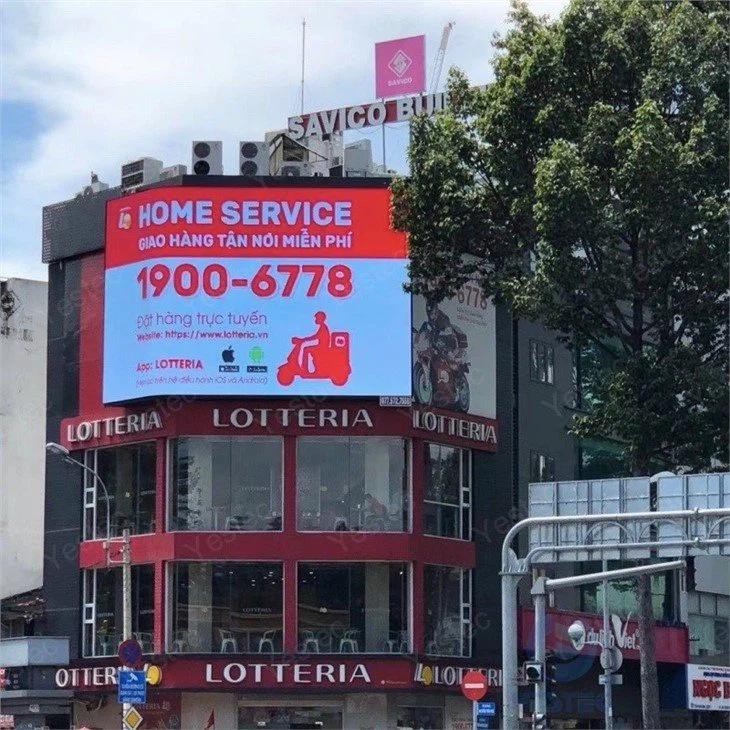
Dynamic Glare Reduction Strategies Enabled by Flexible LED
Flexible LED screens go beyond static solutions, offering dynamic features that adapt to changing light conditions. These include:
1. Real-Time Brightness Auto-Adjustment
Ambient light sensors with high sampling rates (up to 5000Hz) adjust brightness in real time, performing thousands of adjustments daily. This improves readability by 30% and reduces energy consumption by approximately 20% in outdoor settings.
2. Circadian Rhythm Matching and Gamma Frequency Tuning
Displays that adjust color temperature based on the time of day (e.g., 6500K at noon, 4500K at dusk) reduce eye strain by up to 41%. Gamma tuning at frequencies like 48Hz enhances perceived brightness without increasing power use.
3. Smart Installation Angles and Adaptive Mounting Structures
Flexible mounting systems allow tilt adjustments of 5–45°, reducing perceived glare by up to 45%. A 10° tilt alone can decrease glare incidents by 38%, ensuring optimal visibility across viewer positions.
4. Environmental Synchronization Systems
Some flexible LED systems use GPS-linked actuators to adjust screen angles in response to solar movement, reducing glare by 55%. Others synchronize brightness and refresh rates with environmental conditions, such as cloud cover, to maintain clarity.
These adaptive features make flexible LED displays highly effective in dynamic, high-glare environments.
Performance Comparison: Flexible vs. Traditional LED Screens
To assess the glare-reduction capabilities of flexible LED displays, we compare their performance to traditional rigid screens across key metrics:
Glare Reflectance Rates
Flexible LED screens with advanced coatings achieve reflectance rates as low as 0.7%, compared to 8–12% for traditional screens. Some nano-coatings reduce this to 0.2%, significantly improving visibility.
Viewing Angle Improvements
Flexible LEDs support viewing angles up to 180°, compared to 140° for traditional screens. This wider range reduces glare for off-axis viewers by 20%, ensuring consistent legibility.
Light Uniformity and Contrast Ratio Gains
Flexible screens achieve a uniformity index of 0.95 (vs. 0.8 for traditional screens) and contrast ratios up to 4000:1 (vs. 1500:1). These improvements enhance readability by 25% in bright conditions.
Energy Efficiency in Glare-Reduction Scenarios
Dynamic brightness adjustments and curved designs in flexible LEDs reduce energy use by 15–25% in glare-heavy scenarios, compared to 5–10% for traditional screens. This efficiency supports sustainable operations.
These metrics demonstrate that flexible LED displays offer measurable advantages in glare reduction and overall performance.
Conclusion
Flexible LED display screens, when equipped with advanced technologies such as nano-coatings, real-time brightness adjustment, and curved designs, can significantly reduce glare compared to traditional rigid screens. By addressing the root causes of glare-directional light, reflective surfaces, and high ambient light-these displays achieve reflectance rates as low as 0.7%, support wider viewing angles, and enhance visual clarity. Their dynamic adaptability further ensures consistent performance in challenging environments, from outdoor signage to in-vehicle displays. Contact us now to learn more about flexible LED display screens. ( info@yes-tec.com )